
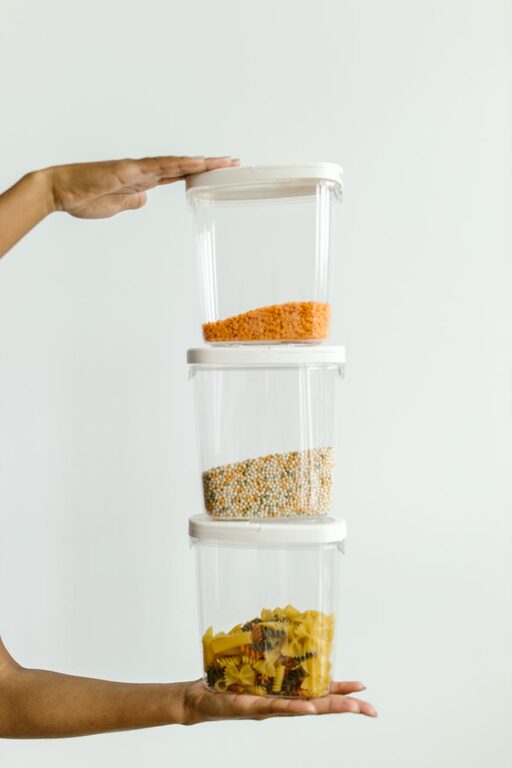
Planning meals from pantry staples is a smart and practical way to streamline your cooking routine. Whether you’re aiming to save money, reduce food waste, or simply make dinnertime less stressful, learning how to use what you already have can transform your approach to cooking. In this post, we’ll explore step-by-step methods for organizing your pantry and creating delicious meals from basic ingredients.
Why Plan Meals Around Pantry Staples?
Pantry staples are non-perishable or long-lasting ingredients that form the backbone of many meals. Common examples include rice, canned beans, pasta, canned tomatoes, spices, and oils. Focusing your meal plan on what’s already in your pantry helps you:
– Minimize grocery shopping trips
– Save money on dining out or impulse buys
– Create quick, flexible meals
– Reduce food waste by using what you have
Step 1: Take Inventory of Your Pantry
Before you start planning, take a few minutes to assess what’s in stock.
– Pull everything out and categorize items (grains, canned goods, spices, baking supplies, etc.)
– Check expiration dates and discard anything expired
– Note items you have in large quantities or uncommon ingredients you want to use soon
– Consider grouping items by how often you use them
This will give you a clear picture of your options and help you avoid buying duplicates.
Step 2: Identify Your Pantry Staples
While every pantry looks a little different, some staples are versatile and commonly found:
– Dry goods: rice, pasta, oats, flour, sugar
– Canned goods: beans, tomatoes, corn, tuna
– Oils & vinegar: olive oil, vegetable oil, balsamic vinegar
– Spices & herbs: salt, pepper, garlic powder, chili flakes, dried oregano
– Baking essentials: baking powder, baking soda, yeast
Having a good stock of these basics makes it easier to mix and match ingredients.
Step 3: Plan Meals Based on Pantry Categories
Once you know what you have, brainstorm meals you can make from those staples. Here are some ideas organized by pantry category:
Grains & Pasta
– Pasta with tomato sauce and canned vegetables
– Rice bowls with beans and sautéed spices
– Simple fried rice using leftover veggies or eggs
Canned Goods
– Chili or stew with canned beans and tomatoes
– Tuna salad or sandwiches using canned tuna
– Vegetable soup combining canned corn, tomatoes, and broth
Spices & Oils
– Stir-fries spiced with garlic powder, chili flakes, and soy sauce
– Roasted vegetables tossed in olive oil and herbs
– Quick marinades for proteins
Step 4: Incorporate Fresh and Frozen Ingredients
While pantry staples are the base, adding fresh or frozen produce enhances nutrition and flavor. Keep common items like onions, garlic, carrots, and frozen peas handy. These are usually inexpensive and keep well.
For example:
– Add fresh spinach to canned bean soup
– Toss frozen veggies into pasta dishes
– Use fresh herbs or lemon juice for brightness
Step 5: Create a Weekly Meal Plan
Using your inventory and recipe ideas, sketch a weekly plan.
– Choose 4-5 main meals focusing on pantry staples
– Plan for leftovers or easy “flex” meals like omelets or sandwiches
– Include a mix of proteins, grains, and vegetables
Here’s a simple example:
| Day | Meal Idea |
|———–|————————————-|
| Monday | Spaghetti with canned tomato sauce |
| Tuesday | Rice bowl with black beans and corn |
| Wednesday | Vegetable soup with canned tomatoes |
| Thursday | Tuna salad sandwiches with chips |
| Friday | Stir-fried veggies with rice |
Step 6: Shop Smart to Restock
Once you know what you have and what meals you want to make, create a shopping list focused on fresh produce, dairy, or any other perishables you want to add.
– Stick rigidly to the list to avoid overspending
– Buy bulk pantry staples if possible to save money
– Opt for versatile staples to keep future planning flexible
Extra Tips for Success
– Label and organize your pantry to quickly find what you need
– Cook in batches to save time—make extra beans or rice for multiple meals
– Experiment with spices to keep meals interesting
– Use apps or printable templates for meal planning and grocery lists
– Keep a staple “go-to” recipe list for busy days
Conclusion
Planning meals from pantry staples is a practical, budget-friendly way to enjoy home-cooked meals with less effort. By taking stock, thinking creatively about ingredients, and combining staples with fresh items, you can reduce mealtime stress and always have something tasty on the table. Give this approach a try, and you might be surprised at how much your pantry has to offer!
Happy cooking!